A food dryer is a device used to remove moisture from food without over-drying it. Food dryers offer complete control of temperature during food drying. Therefore, they can create dried foods at low temperatures, considered a raw food. Read More…
Dürr CTS Inc. is a leading global supplier of environmental solutions and engineered products tailored to meet customers' industrial process requirements. We offer a complete portfolio of air pollution control technologies and drying and curing systems, including industrial dryers and ovens for roll-to-roll processes, web forming processes and conveyor handling of webs, as well as specialized...

At Akona Process Solutions, we are dedicated to engineering advanced industrial dryers that meet the rigorous demands of modern manufacturing and processing industries. We design and build drying systems that deliver precision, consistency, and efficiency, helping our clients achieve optimal production quality and throughput.

At ANDRITZ Separation Inc., we support industries around the world by delivering high-performance drying solutions that optimize efficiency, consistency, and product quality. We design and manufacture advanced dryers engineered to handle everything from fine chemical powders to food ingredients, minerals, and biomass, and we take pride in building systems that perform reliably under the most...




More Food Dryer Manufacturers
Raw food diets and the consumption of minimally processed foods have surged in popularity, largely due to the health benefits associated with retaining living nutrients and natural enzymes. One of the most effective ways to preserve these elements is by using a food dryer, also known as a food dehydrator. Unlike traditional cooking or heating methods that may deplete or destroy essential vitamins, minerals, and enzymes, food dryers gently remove moisture at controlled temperatures, helping to maintain the nutritional integrity of vegetables, fruits, meats, and more. This makes food dehydration an essential process in both home kitchens and the food processing industry. Are you wondering how to choose the best food dryer for your needs or which food dehydrator technology is right for your application? Read on for a deep dive into food dryer types, applications, advantages, drawbacks, purchasing considerations, and more.

Types of Food Dryers: Choosing the Best Solution for Your Dehydration Needs
Food dryers come in various types and capacities, each engineered for specific production volumes, food types, and drying methodologies. Selecting the right food dehydrator is crucial for maximizing efficiency, preserving flavor, and ensuring food safety. Below, we explore the most common types of industrial and commercial food dryers, their features, and ideal use cases.
Tray Dryers
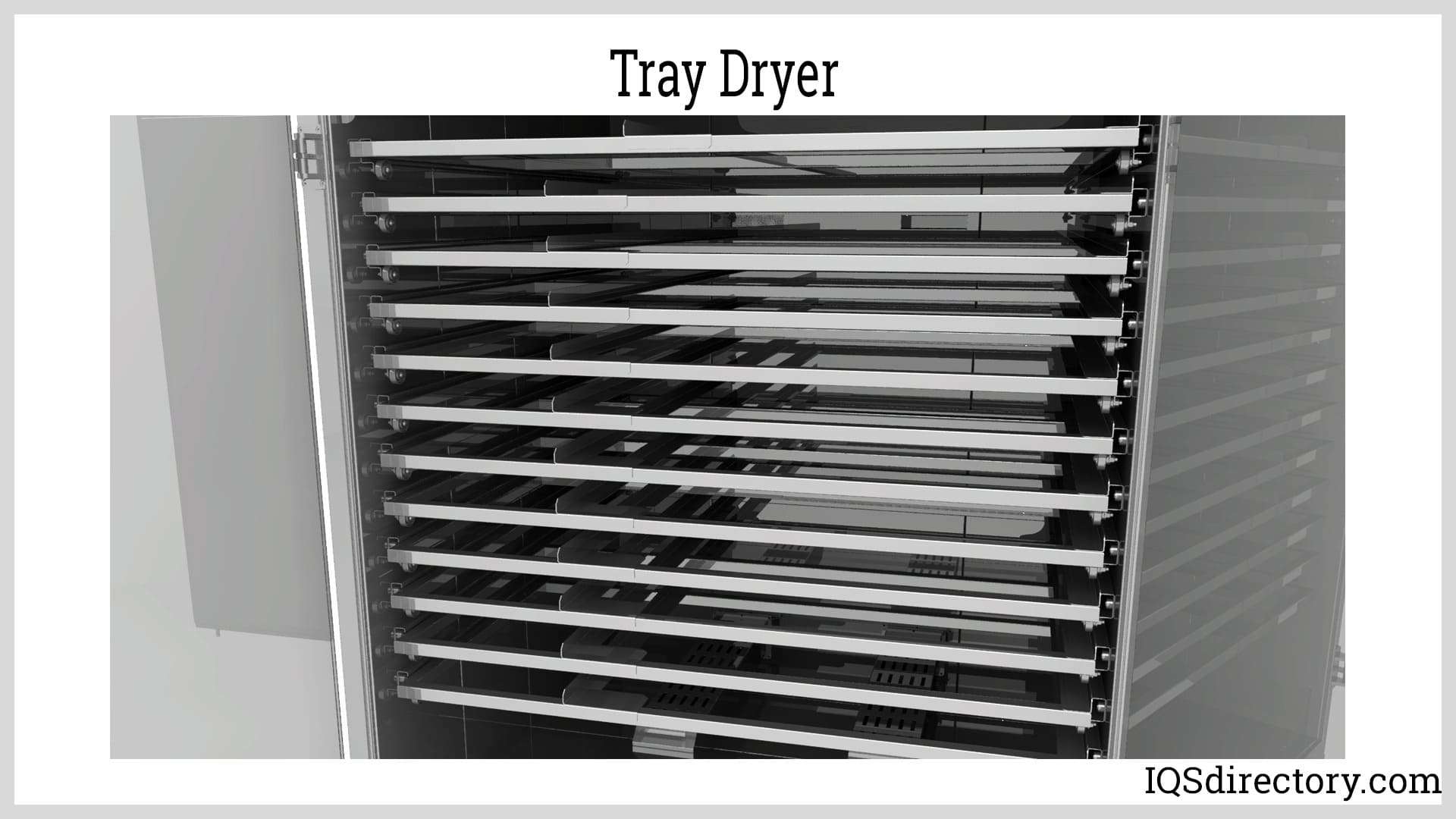
Tray dryers are widely used in small- and medium-scale food processing operations for their simplicity and versatility. These batch-operated dryers consist of stacked trays inside a heated chamber. Hot air is circulated—either by convection, radiation, or conduction—across and around the trays to remove moisture from foods. Airflow rates typically range from two to five meters per second, ensuring even drying across all trays. Tray dryers are best suited for applications where uniformity and gentle drying are paramount, such as drying herbs, fruits, spices, and vegetables.
Considering a tray dryer for your business or home? Key decision factors include batch size, energy efficiency, ease of cleaning, and whether you require manual or automated controls. Because tray dryers are ideal for small production rates and pilot-scale food dehydration, they are frequently chosen by artisanal food producers, research labs, and specialty processors.
Tunnel Dryers
Tunnel dryers represent a family of continuous industrial food drying equipment designed for high-volume throughput. In these systems, food loaded on trays is moved through a long tunnel where hot air is circulated, either in the same direction as the trays (co-current), the opposite direction (counter-current), or a combination. The trays—carried by trucks or automated conveyors—make tunnel dryers especially efficient for large-scale processing of fruits, vegetables, grains, and even meats.
Looking for a scalable solution for commercial food dehydration? Tunnel dryers optimize energy use and throughput, making them a preferred choice for food manufacturing plants, agricultural processing facilities, and large dehydrated food suppliers. Considerations include tunnel length, airflow design, automation level, and integration with upstream and downstream equipment.
Bin Dryers
Bin dryers are designed for batch drying of robust products with lower moisture content, such as grains, legumes, nuts, and certain vegetables like squash. These dryers consist of large cylindrical or rectangular bins with wire-mesh bottoms. Heated air is forced up through the bin, gradually drying the contents from the bottom up. Bin dryers are commonly used as a final drying stage to ensure product stability before packaging.
Curious whether a bin dryer fits your needs? These are ideal for post-harvest drying, seed preparation, and bulk storage stabilization—key in both agricultural and industrial food processing operations. Evaluate the capacity, airflow design, and suitability for the specific foods you wish to process.

Belt Dryers
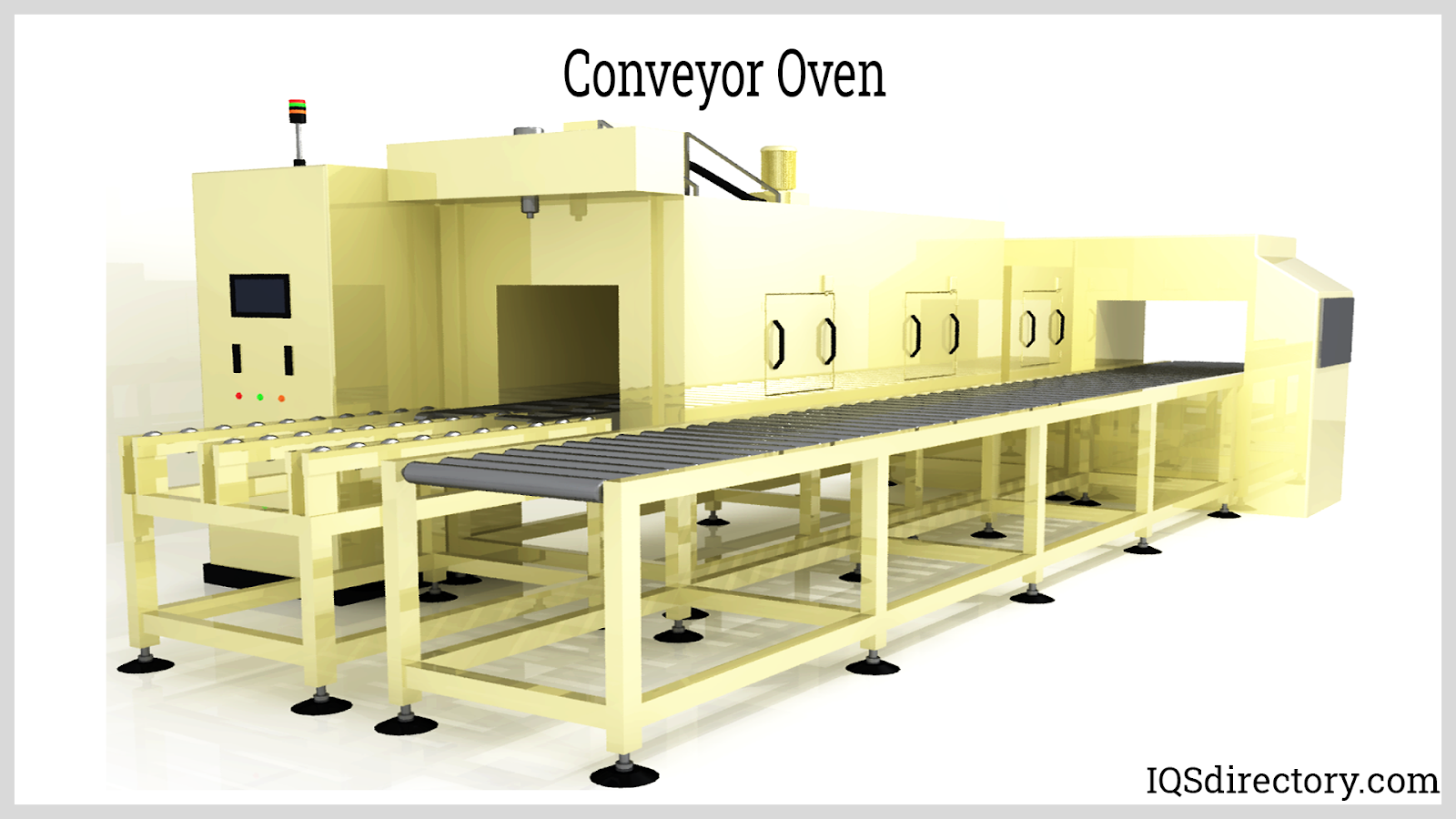
Belt dryers (or conveyor dryers) are a staple in modern food processing plants. Wet food material is evenly spread on a moving conveyor belt or mesh, which passes through a temperature- and humidity-controlled tunnel. Multiple drying zones allow for precise control over moisture removal. Hot air is alternately forced from above and below, ensuring uniform drying and product consistency.
Belt dryers are particularly advantageous for continuous, automated production lines, drying everything from fruit slices and vegetable chips to pet food, granola, and bakery products. When evaluating belt dryers, consider belt material, airflow pattern, zone configuration, and ease of cleaning for compliance with food safety standards.
Freeze Dryers (Lyophilizers)
Freeze dryers, or lyophilizers, offer the highest level of nutrient preservation by removing water through sublimation—turning ice directly into vapor under a high vacuum. The process involves freezing the food, then gradually heating it in a vacuum chamber so water evaporates without passing through the liquid phase. This method preserves the original structure, color, flavor, and nutritional content of food products better than most other methods.
Freeze drying is common for high-value foods, such as pharmaceuticals, probiotics, specialty fruits, instant coffee, and survival foods. Although freeze dryers are more expensive and require greater energy input than other types, they are unmatched for applications where shelf life, quality, and nutrient retention are critical. Assess your application’s needs for throughput, chamber size, automation, and regulatory compliance when choosing a freeze dryer.
Other Food Dryer Technologies
Beyond the core types listed above, specialty food dryer machines and technologies are available, including vacuum dryers, spray dryers, and microwave dryers. Each offers unique advantages for specific food types or production needs. For example:
- Vacuum dryers reduce drying temperatures—ideal for heat-sensitive products.
- Spray dryers are used for liquid foods like milk, juices, and flavorings, producing powders.
- Microwave dryers provide rapid, uniform drying for select applications.
Explore these options if you have specialty requirements or are looking to optimize for energy efficiency, product quality, or unique food ingredients.
Applications of Food Dryers: Where and Why Are They Used?
Food dryers and food dehydrators serve vital roles in the preservation, storage, and processing of food across a wide array of settings. Understanding their applications can help you determine the best type, size, and features for your needs. Common and emerging uses include:
- Preservation: Removing moisture inhibits microbial growth, extending the shelf life of fruits, vegetables, meats, and herbs.
- Size and weight reduction: Dried foods are compact and lightweight, saving storage space and reducing shipping costs.
- Ingredient preparation: Dehydrated foods are used as ingredients in snack foods, cereals, trail mixes, soups, and ready meals.
- Home use: Individuals and families use food dehydrators to preserve seasonal harvests, create healthy snacks, or prepare foods for camping and travel.
- Commercial and industrial food production: Food dryers are essential in facilities manufacturing dried fruits, vegetables, jerky, granola, pet foods, and functional food powders.
- Specialty and emerging uses: Freeze drying for backpacking meals, emergency rations, pharmaceuticals, and probiotic supplements.
Looking for ideas on how to use a food dryer at home or in your business? Try searching for: “best foods to dehydrate,” “food dehydrator recipes,” “commercial food drying applications,” “how to make jerky with a food dryer,” or “freeze drying vs air drying.”
Benefits of Food Dryers: Why Invest in a Quality Food Dehydrator?
Investing in a food dryer or food dehydrator delivers a host of advantages for homes, farms, and food processing businesses. Below, we explore the top benefits and the value they offer to different users.
Enhanced Taste and Nutritional Value
Dehydrated foods often have an intensified, naturally sweet flavor and chewy texture. Because dehydration occurs at low to moderate temperatures, most vitamins, minerals, and phytonutrients are retained—especially compared to high-heat cooking or canning. For health-conscious consumers and food manufacturers, this means delivering products with superior taste and nutritional profiles.
Reduced Food Waste and Extended Shelf Life
Food dehydration can extend the shelf life of fruits and vegetables from a few days to several months or even years, depending on storage conditions. This not only reduces food waste at home and throughout the supply chain but enables year-round availability of seasonal foods. Are you looking to preserve your garden harvest or surplus produce? A food dryer is a highly effective, sustainable solution.
All-Natural, Additive-Free Foods
Unlike many commercial dried goods that contain preservatives, added sugars, or artificial colors, home or artisanal food dehydration requires just one ingredient—the food itself. This ensures a 100% natural, whole food product with all the original fiber, minerals, and flavors intact. Health-focused consumers and organic food brands value this transparency and simplicity.
Cost Savings and Bulk Buying
By purchasing fresh foods in bulk (especially when in season) and dehydrating them at home or on-site, significant savings can be realized over buying prepackaged dried foods. Food dryers are also relatively energy-efficient compared to freezers or refrigerators, further reducing long-term costs. For businesses, in-house dehydration eliminates the need for expensive commercial drying services and third-party suppliers.
Space-Efficient Storage and Portability
Dried foods are compact and require no refrigeration, making them perfect for small kitchens, emergency kits, camping, and hiking. This portability is invaluable for outdoor enthusiasts, large families, survivalists, and anyone seeking convenient, nutritious snacks on the go.
Versatility in Food Processing
Modern food dryers accommodate a wide range of foods, from fruits, vegetables, and meats to herbs, grains, and specialty products. Many models offer adjustable temperature controls, programmable timers, and interchangeable trays, allowing users to customize the drying process for different foods. This flexibility supports innovation in product development and culinary experimentation.
Ease of Use and Automation
Most food dryers and dehydrators are designed for user-friendly operation, with clear instructions, preset programs, and easy-to-clean components. Commercial and industrial models may feature advanced automation, remote monitoring, and integration with other processing equipment to streamline production and ensure consistent results.
Supporting Health and Special Diets
Food dehydration supports a wide range of dietary needs, including vegan, raw, gluten-free, and paleo diets. Dehydrated foods are a staple for athletes, hikers, and health enthusiasts seeking nutrient-dense, energy-rich snacks with no additives or allergens.
Supporting Local and Sustainable Food Systems
Dehydrating locally grown produce reduces reliance on imported foods, supports regional farmers, and minimizes food miles. By preserving excess harvest, communities can build more sustainable and resilient food systems, reducing waste and improving access to nutritious foods year-round.
Potential Disadvantages and Considerations When Using Food Dryers
While the benefits of food dehydration are substantial, it’s essential to understand the challenges and considerations to make an informed purchase or operational decision. Here are some key points:
Time Commitment and Process Control
Dehydration is a time-intensive process, often requiring several hours to days. Consistent monitoring is crucial, as interruptions can lead to microbial contamination or uneven drying. For best results, start with fresh, clean produce and follow manufacturer guidelines for optimal drying times and temperatures. Ask yourself: “Do I need a fast-drying solution or is overnight operation acceptable?”
Potential Nutrient Loss
Some heat-sensitive vitamins, such as A and C, may degrade during drying. Pre-treatment techniques (e.g., blanching, sulfuring) can minimize these losses but may not be suitable for all users or product types. If maximum nutrient retention is a priority, consider freeze drying or vacuum drying technologies.
Flavor and Appearance Adjustments
Home-dried foods often differ in taste and appearance from mass-produced commercial snacks. Colors may darken, textures may be chewier, and flavors more concentrated. However, many users find these qualities appealing and appreciate the absence of artificial additives. Experiment with different foods and drying times to discover your preferences.
Initial Cost and Equipment Footprint
High-quality food dryers, particularly commercial or freeze-drying models, can require a significant upfront investment and dedicated space. Evaluate your intended volumes, available space, and future needs before purchasing. For small kitchens or light use, compact countertop dehydrators are available.
Energy Consumption
Although food dryers are generally more energy-efficient than other preservation methods, long drying cycles can add up. Compare energy ratings and look for models with programmable timers, auto shutoff, and efficient airflow designs to optimize usage and minimize costs.
How to Choose the Best Food Dryer Supplier and Model
With a wide range of food dryer manufacturers and models on the market, selecting the right supplier is an important step toward achieving your processing or preservation goals. Here’s a step-by-step approach:
- Assess Your Needs: Determine batch size, product types, desired drying method, and available space.
- Compare Technologies: Research tray, tunnel, belt, freeze, and specialty food dryers to find the optimal match for your use case.
- Review Supplier Credentials: Look for food dryer manufacturers with experience in your industry, strong customer reviews, and certifications (e.g., ISO, HACCP).
- Request Custom Quotes: Use online directories to connect with multiple suppliers, compare features, pricing, and after-sales service.
- Evaluate Operational Support: Consider availability of technical support, spare parts, and training resources.
- Ask Questions: Examples include “What is the warranty period?”, “Are replacement parts readily available?”, “How energy-efficient is this model?”, and “Can this system be integrated with existing equipment?”
To streamline your search, use our comprehensive food dryer supplier directory. Each company profile details expertise, product offerings, and contact options. Take advantage of our patented website previewer and RFQ (Request for Quote) forms to compare multiple food dryer businesses effortlessly.
Frequently Asked Questions About Food Dryers
Here are answers to common queries from buyers and users:
- What foods can you dry in a food dehydrator? – Most fruits, vegetables, herbs, meats (jerky), grains, and even prepared foods like sauces or soups can be dehydrated.
- How do I clean and maintain a food dryer? – Clean trays and components after each use, follow manufacturer instructions for deep cleaning, and inspect for wear or damage regularly.
- Can I dehydrate multiple foods at once? – Yes, but keep similar foods together to avoid flavor transfer and ensure even drying times.
- Is dehydrated food healthy? – Yes, dehydrated foods retain most nutrients, especially when dried at low temperatures without additives.
- What’s the difference between dehydrating and freeze drying? – Dehydrating uses heat and airflow to remove water, while freeze drying uses freezing and vacuum to sublimate water, preserving more nutrients, color, and structure.
Still have questions? Try searching for: “how to use a food dryer,” “best food dehydrator recipes,” “industrial food dryer maintenance tips,” or “freeze drying vs dehydrating pros and cons.”
Conclusion: Maximizing Value with the Right Food Dryer
Whether you’re a home cook, farmer, commercial food manufacturer, or emergency preparedness planner, investing in the right food dryer or food dehydrator can revolutionize your approach to food preservation, storage, and nutrition. By understanding the various food dryer technologies, applications, benefits, and decision factors, you can make an informed choice and unlock the full potential of your harvest, business, or culinary creativity.
Ready to take the next step? Explore our food dryer supplier directory, compare models, and request quotes to find the perfect food drying solution tailored to your needs.
 Electric Heaters
 Industrial Dryers
 Industrial Mixers
 Industrial Ovens
 Pressure Vessels
 Pulverizers
 Vibratory Feeders
 Castings & Forgings
 Bulk Material Handling
 Electrical & Electronic Components
 Flow Instrumentation
 Hardware
 Material Handling Equipment
 Metal Cutting Services
 Metal Forming Services
 Metal Suppliers
 Motion Control Products
 Plant & Facility Equipment
 Plant & Facility Supplies
 Plastic Molding Processes
 Pumps & Valves
 Recycling Equipment
 Rubber Products & Services